


A Third Party Is Using Your Trademark in Brazil. What Should You Do?
A third party is using your trademark in Brazil. Learn how Brazilian law protects foreign brands and when legal action is possible.
Laila Reis Araujo
12/24/20254 min read
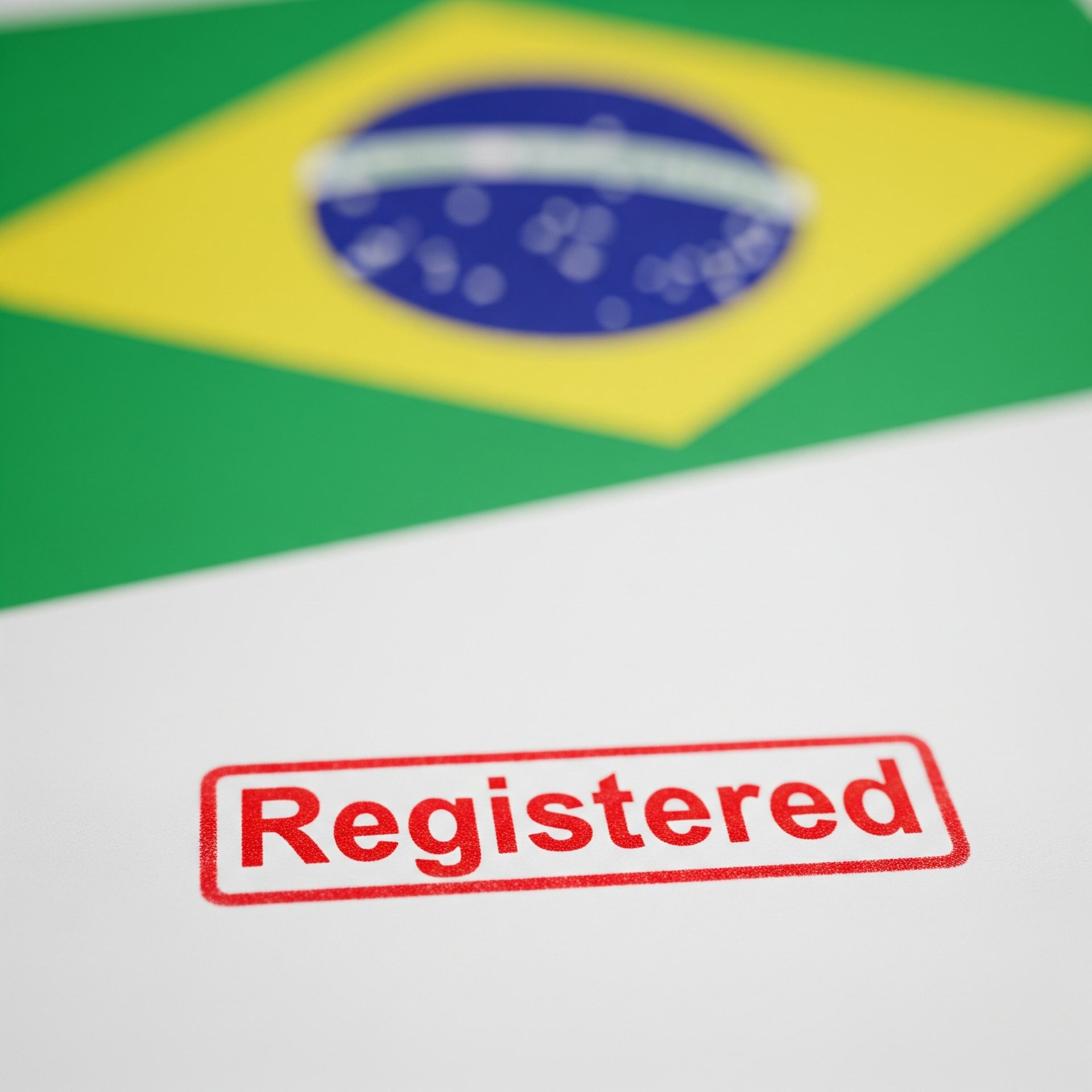
You built your brand in another country. Someone in Brazil filed it before you did or is already using it without your authorization. It happens more often than most foreign companies expect, and the window to act is shorter than you think. Brazilian law offers real protection mechanisms for foreign trademark holders, but none of them are automatic. This article explains what options are available, when each applies, and what evidence you will need to build a case.
Why Brazil’s First-to-File System Creates Risk for Foreign Companies
Brazil operates under a first-to-file trademark system. Trademark rights are granted to whoever files first at INPI — Brazil’s trademark office — regardless of prior use in other countries. A company that has been using a brand internationally for decades has no automatic protection in Brazil until it files locally.
This creates a specific vulnerability: third parties can file a trademark in Brazil that is identical or similar to a foreign brand, either to block market entry, to extract a commercial advantage, or simply because they were unaware of the prior foreign use. In all of these scenarios, the foreign company’s options depend heavily on timing and on the strength of the available evidence.
That said, the first-to-file rule is not absolute. Brazilian law and international treaties provide several mechanisms through which foreign companies can challenge unauthorized use or registration of their marks.
The Paris Convention: International Protections That Apply in Brazil
Brazil is a signatory to the Paris Convention for the Protection of Industrial Property. Under this treaty, foreign companies are entitled to specific protections that go beyond what the first-to-file rule would otherwise allow.
The most operationally relevant protection is the priority right: if a company files a trademark in its home country and then files in Brazil within six months, the Brazilian application is treated as if it had been filed on the original date. This can be decisive when a third party has filed in the intervening period.
The Paris Convention also prohibits unfair competition practices and requires Brazil to protect well-known foreign trademarks, even without local registration. These protections are particularly relevant when a third party has opportunistically filed a foreign brand in Brazil with the clear intent of blocking the original owner’s market entry.
Well-Known Trademark Protection: What It Covers and What It Requires
Brazilian trademark law protects well-known trademarks regardless of prior registration in Brazil. Under Article 125 of the Brazilian Industrial Property Law, a mark that is recognized as well known in its field of activity cannot be registered by a third party even if the original owner has never filed in Brazil.
This protection, however, is not automatic and is not easily obtained. To successfully invoke it, the foreign company must demonstrate robust evidence of reputation and recognition: market presence in other countries, media coverage, sales data, advertising investment, and ideally evidence that the brand was known in Brazil specifically through imports, digital presence, or commercial relationships.
INPI evaluates well-known trademark claims on a case-by-case basis. The threshold is high, and claims based on reputation in a single country without any evidence of Brazilian market exposure are unlikely to succeed on their own.
Bad Faith Trademark Filings: When Intent Changes the Legal Outcome
One of the most powerful tools available to foreign companies is the ability to challenge a trademark registration or application on grounds of bad faith. Under Brazilian law, trademark actions based on bad faith are not subject to a statute of limitations.
But bad faith is not presumed. It must be proven with clear, consistent, and well-documented evidence. INPI and Brazilian courts require more than a simple allegation. The standard evidence that supports a bad faith claim includes prior business relationships between the parties, distribution or licensing agreements, correspondence showing that the local company had access to the foreign brand, and evidence that the local filing was designed to block market entry or extract financial advantage.
The strength of a bad faith claim depends almost entirely on the quality of the evidentiary record. Companies that have maintained thorough documentation of their commercial relationships are in a significantly stronger position.
Prior Relationships: The Factor That Most Often Determines the Outcome
In practice, the cases with the clearest path to resolution involve former distributors, agents, partners, or service providers. When a prior commercial relationship exists, it becomes substantially easier to establish that the local party had direct knowledge of the foreign brand, that the trademark filing was intentional rather than coincidental, and that the purpose was to obtain an unfair commercial advantage.
Brazilian courts and INPI examiners give significant weight to documented prior relationships. A distribution agreement, a service contract, email correspondence referencing the brand, or invoices showing prior sales are all relevant evidence. In cases involving former partners, this evidentiary burden is usually easier to meet than in cases involving unrelated third parties.
What Foreign Companies Should Do — and When
The most important factor in any trademark dispute in Brazil is timing. Options narrow as time passes, evidence becomes harder to gather, and third-party rights become more entrenched. Foreign companies that discover unauthorized use or registration of their trademarks in Brazil should seek legal analysis promptly.
A proper legal analysis will assess whether priority rights under the Paris Convention are still available, whether the trademark qualifies for well-known status protection, whether bad faith can be demonstrated on the available evidence, and whether administrative action at INPI or judicial proceedings represent the more effective path forward.
Protection is possible in Brazil even without prior registration but it requires a strategic approach, strong evidence, and early action.
Is Your Trademark Being Used or Registered by a Third Party in Brazil?
Reis Araujo advises foreign companies and international IP firms on trademark protection and enforcement in Brazil. If you have identified unauthorized use or a conflicting registration, we can help you assess your options and build the strongest possible case under Brazilian law.